A clinical trial is a research study that tests something in people, such as a new medicine, a medical device or a change in behavior. Often, the treatment being tested is not yet approved, or is not approved for this use, so it may not be available outside the study.
Every trial follows a detailed plan called a protocol. It sets out the study’s goal, who can take part, the tests and treatments involved, how long the study lasts and what information is collected.
People who join a trial may or may not benefit themselves. Researchers often do not yet know whether the treatment will help, cause harm or work about the same as regular care.
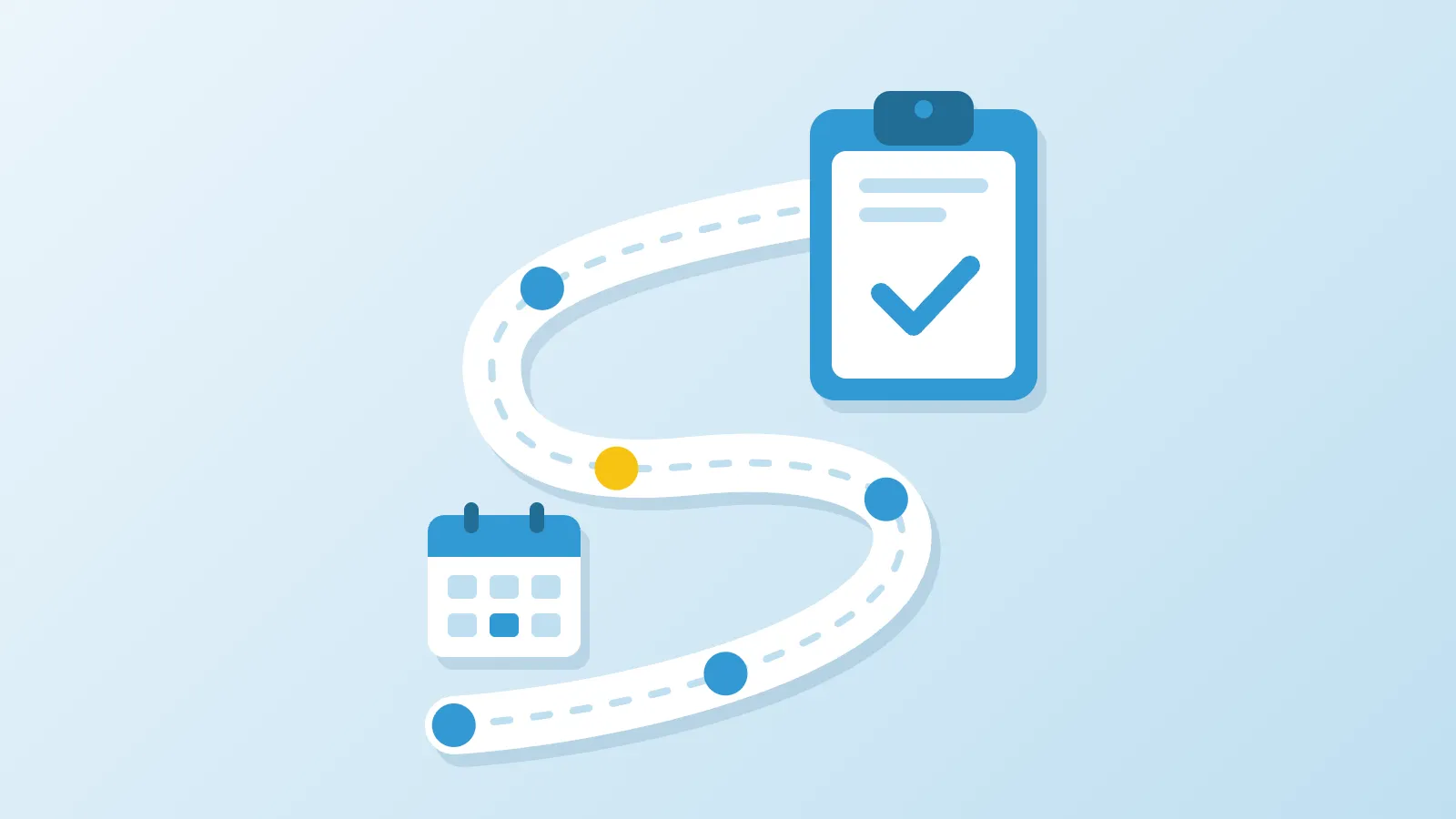
Most trials follow similar steps before, during and after you join. Here is what they usually look like.
1. Finding a study
You can ask your doctor about trials that might fit you. You can also look for a trial on your own and contact the study team yourself. The “Find a trial” button at the top of this page is one place to start.
Before you decide, it can help to talk it over with your doctor, your family or your friends.
2. Screening: can you join?
Every study has rules about who can take part, called eligibility criteria. They can include your age, your health condition and treatments you have had before. These rules help keep participants safe and help the study answer its question.
Screening often starts with a first conversation. A member of the study team, such as a research nurse or a study coordinator, tells you about the study and asks questions to see whether you might qualify. Around the time you sign the consent form, the team reviews your medical history and may run tests to check that you meet all the requirements. Sometimes the results show that the study is not a fit.
Tests done only to check whether you qualify need your agreement first. In some studies, you give this agreement separately, before you sign the main consent form.
3. Informed consent: learning before you decide
Before you join, the study team explains the study in detail and answers your questions. This process is called informed consent. You also get a consent form. It describes what will happen in the study, how much of your time it will take, any payments or costs, and the known risks and benefits.
If you decide to join, you usually sign the form. Our guide to informed consent explains this step and your rights in more detail.
4. Visits, tests and the study plan
Once you join, the study team tells you what to do at each visit and checks on your health and safety regularly. Where a study takes place, how many visits it needs and what happens at them are different for every study. Studies can take place at hospitals, clinics, research centers or universities, and some happen partly by phone or online. A study can last a few days, a few weeks or even years.
During the study, researchers collect information in different ways. These include questionnaires, X-rays or other scans, measurements such as your blood pressure, and blood or tissue samples.
Many trials put people into groups at random, which means by chance. One group might get the new treatment, while another gets a standard treatment or a placebo. A placebo looks like the treatment but has no active drug. Usually you do not get to choose your group, and you and the study staff may not know which group you are in.
In most studies, you can keep seeing your regular doctors. Some studies ask you to change or limit your usual care, such as stopping another medicine. If you have a health problem during the study, the study team will usually ask you to tell them right away.
5. You can leave at any time
Taking part is your choice from start to finish. You can leave a study at any time, for any reason, even after you have signed the consent form. If you decide to leave, talk with the study team so that you can stop safely.
6. After the study
Your time in a study can end in a few ways:
- the study ends
- you finish all of its visits
- you decide to leave
- the study team decides that leaving is best for you
Afterward, you can ask for the study’s results when they are available. You can talk with the study team or your regular care team about the next steps for your care. In some cases, you may be able to keep getting the treatment outside the study. The study team may also contact you later to see how you are doing.
Researchers can share what they learned as a summary of everyone’s results, for example in medical journals or on ClinicalTrials.gov. In the United States, when researchers want a new treatment approved, the U.S. Food and Drug Administration (FDA) reviews the results and decides whether to approve it.
What trial phases mean for you
Trials of new medicines often move through a series of steps called phases. The FDA describes them like this:
- Phase 1 studies are small, often 20 to 100 people, who may be healthy volunteers or people with the condition. They look at safety and at what dose to give.
- Phase 2 studies include up to several hundred people with the condition. They look at how well the medicine works and at its side effects.
- Phase 3 studies include about 300 to 3,000 people with the condition. They test whether the medicine helps and keep watching for side effects. Because they are larger and last longer, they are more likely to find rare or long-term side effects.
- Phase 4 studies take place after the FDA approves a medicine. They keep checking its safety and how well it works in more people.
For you, this means that early-phase studies are small, and less common side effects may not show up until larger studies, such as phase 3, or even after the medicine is approved. Ask the study team what the phase of a study means for you, and talk with your care team about whether a study is a good fit.